
Exactly, What Is Italian Cuisine Known For?
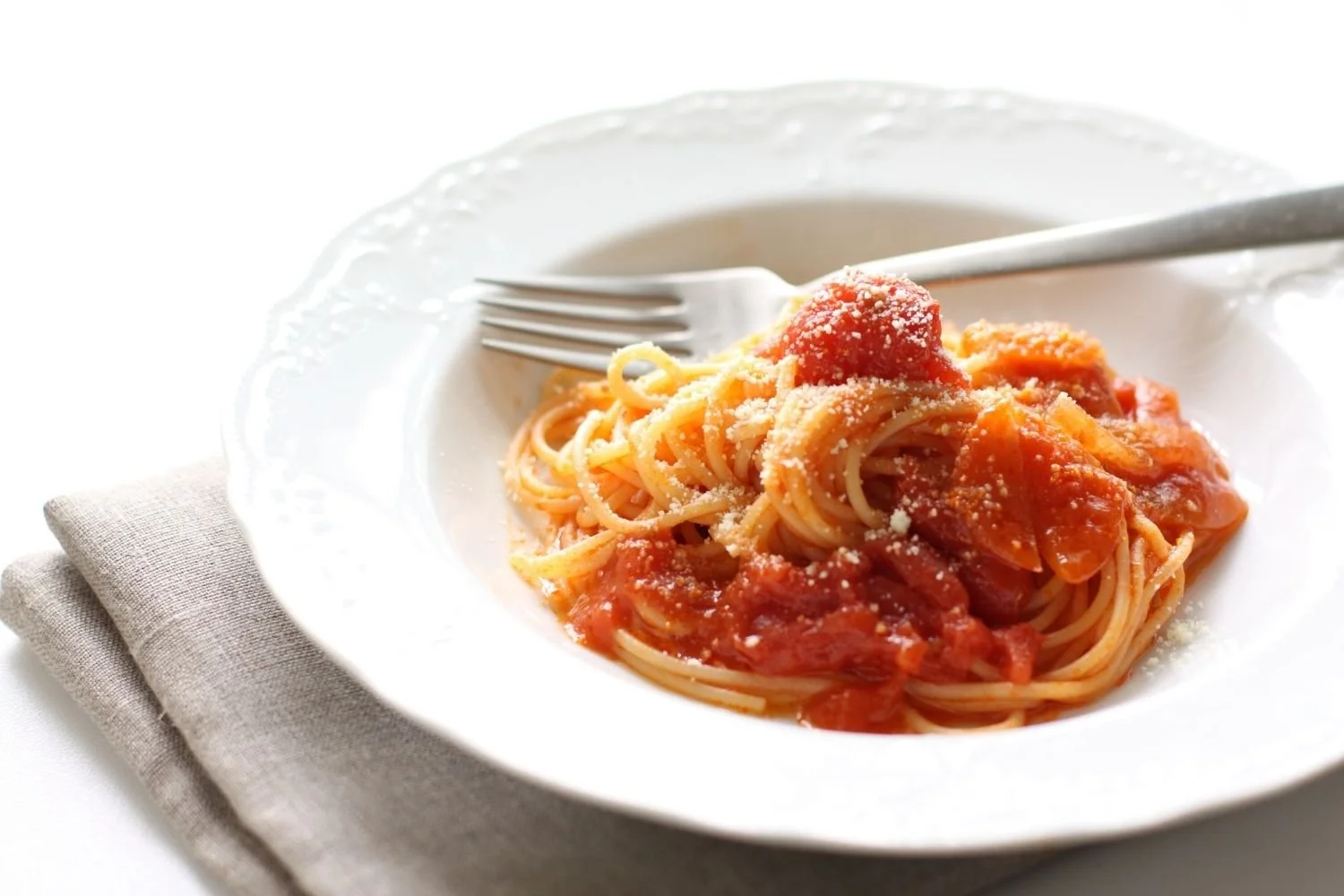
Italian cuisine is known for a deceptively simple idea: do less, but do it perfectly.
Around the world, Italian food is loved not because it’s complicated, but because it treats ingredients with respect. It allows for seasonality, balance, and technique to do the heavy lifting. A handful of quality components, cooked precisely and served at the right moment, can feel more luxurious than a plate crowded with extras.
For diners in Old Montreal comparing Italian-inspired menus before reserving a table, understanding what Italian cuisine is known for brings clarity. It explains why a bowl of pasta can be as memorable as a tasting menu, why sauces rarely overpower, and why the same country can produce such dramatically different food from north to south.
Let us walk you through the foundations of Italian food culture, its regional diversity, how an Italian meal traditionally flows, and how a restaurant like Dorsia interprets these ideas through a French fine-dining lens using Québec-sourced products.
What Italian Cuisine Is Known For? Simple, Quality-First Cooking
At its core, Italian cuisine is known for simplicity built on quality. Traditional Italian cooking rarely hides behind heavy sauces or elaborate plating. Instead, it highlights a few carefully chosen ingredients prepared with intention.
Classic Italian cooking principles emphasize:
Seasonality: Ingredients are chosen at their peak.
Restraint: Fewer elements allow each flavor to stand on its own.
Technique over excess: Proper heat, timing, and texture matter more than embellishment.
Balance: Fat, acidity, salt, and starch work together, never competing.
This philosophy explains why a tomato sauce might contain only tomatoes, olive oil, garlic, and salt, yet taste deeply complex. Or why pasta is finished in its sauce rather than drowned by it. Italian cuisine values precision, not minimalism for its own sake.
Equally important is texture. Pasta is cooked al dente, meaning “to the tooth,” retaining a gentle firmness that gives structure and bite. Vegetables are often cooked just until tender. Meats are seasoned simply, allowing natural flavors to lead.
In Italian food culture, excellence comes from repetition and care. A dish made the same way for decades becomes refined through habit, not reinvention.
Regional Diversity From North to South
Italian cuisine history is inseparable from geography. Mountains, coastlines, climate, and trade routes have shaped how people eat in different regions, resulting in one of the most diverse food cultures in the world.
Northern Italy: Richness, Butter, and Rice
Northern Italian cuisine reflects cooler climates and historic ties to France and Central Europe. Here, you’ll find:
Butter and cream used more often than olive oil
Rice and polenta alongside or instead of pasta
Aged cheeses and slow-cooked meats
Fresh egg-based pasta rather than dried pasta
Sauces built through emulsification and reduction rather than acidity
A focus on warming, comforting textures suited to colder weather
Representative dishes include:
Risotto (such as risotto alla Milanese), prized for its creamy texture achieved without cream
Agnolotti or cappelletti, small filled pastas served with butter, sage, or light sauces
Osso buco and other braised preparations
Polenta served soft or set, often paired with meat or mushrooms
Vitello tonnato, combining meat with a restrained, savory sauce
These dishes emphasize depth and softness, relying on gradual cooking and careful emulsification.
Central Italy: Balance and Restraint
Central regions like Tuscany and Lazio bridge north and south. Olive oil becomes more prominent, but dishes remain restrained.
Common traits include:
Bread-based traditions
Simple meat preparations
Sauces that highlight olive oil, herbs, and pecorino cheese
A reliance on pantry staples rather than luxury ingredients
Strong emphasis on technique over embellishment
Dishes designed to be filling without feeling heavy
Classic examples include:
Cacio e pepe, where cheese, pepper, and pasta water create a sauce
Pappardelle with slow-cooked ragù
Grilled meats served with minimal seasoning
Ribollita and other bread-thickened soups
Porchetta-style roasted meats prepared with herbs
Southern Italy: Olive Oil, Tomatoes, and Durum Wheat
Southern Italian cuisine is what many people picture first—bright, sun-driven, and bold without being heavy.
Key elements include:
Olive oil as the primary fat
Tomatoes, eggplant, citrus, and herbs
Durum wheat pasta and dried pasta shapes
Strong use of acidity to balance richness
Seafood as a staple along coastal regions
Dishes built around affordability and accessibility
Signature dishes include:
Pizza Napoletana
Pasta al pomodoro
Seafood-driven pastas with garlic, chili, and herbs
Pasta alla Norma with tomato and eggplant
Orecchiette with vegetables or seafood
Southern food celebrates contrast: acid against fat, heat against sweetness, while staying rooted in simplicity.
How an Italian Meal Flows
Understanding Italian cuisine also means understanding how meals are structured. An Italian meal isn’t rushed; it unfolds gradually, encouraging conversation and shared enjoyment.
A traditional flow may include:
Antipasto – Small starters like vegetables, cured meats, or light seafood
Primo – Pasta, risotto, or soup (often the heart of the meal)
Secondo – Meat or fish, served simply
Contorno – Vegetables served alongside, not on top
Dolce – Dessert, often light and not overly sweet
Two cultural touchstones stand out:
Seasonality dictates what appears on the table.
Scarpetta, the act of using bread to mop up sauce, reflects the value placed on flavor and resourcefulness.
Meals are social rituals as much as nourishment: unhurried, generous, and grounded in tradition.
Italian Cuisine History and Modern Interpretation
Italian cuisine history is rooted in home cooking, not courtly excess. For centuries, recipes evolved within households and regions, passed down orally and adapted to what was available. This explains why authenticity in Italian food isn’t rigid but contextual.
Modern Italian-inspired restaurants often interpret these foundations rather than replicate them exactly. Technique may borrow from French training; ingredients may come from local producers. What matters is whether the spirit remains intact: clarity of flavor, respect for ingredients, and balance.
Dorsia Interprets Italian Ideas in Montreal
Italian culinary principles are filtered through a refined, French-leaning approach, without losing the soul of what Italian cuisine is known for. This is Dorsia.
Rather than attempting to recreate regional Italian cooking wholesale, Dorsia focuses on shared values:
Ingredient quality
Precision in execution
Thoughtful restraint
Seasonality, guided by Québec sourcing
Pasta as a Foundation
Dorsia’s paccheri pomodoro is a clear nod to southern Italian simplicity. Large, hollow pasta captures the sauce, while tomatoes remain the star. The dish succeeds because nothing competes for attention. Its aim is to echo classic Italian ideas while benefiting from fine-dining control.
Filled pastas like cappelletti recall northern Italian traditions, where technique and texture matter as much as flavor. At Dorsia, these shapes are treated with French discipline—precise cooking, refined finishing—while honoring the comfort and familiarity of Italian forms.
Risotto and Technique
Risotto exemplifies how Italian cuisine values method over ingredients. Achieving creaminess without heaviness requires patience and attention. Dorsia’s approach aligns closely with northern Italian principles, even as it adapts to local dairy and seasonal elements.
Dessert, the Italian Way
Italian desserts tend to be gentle rather than overwhelming. Tiramisu, one of Italy’s most recognizable dolci, balances bitterness, sweetness, and creaminess. At Dorsia, it serves as a quiet conclusion: recognizable, comforting, and elegantly restrained.
This Is Your Official Invite To Dorsia
For guests comparing menus before booking, understanding what Italian cuisine is known for offers reassurance. It explains why a menu doesn’t need dozens of pasta options to feel Italian-inspired. It clarifies why certain dishes appear simple on paper but deliver depth on the plate.
Dorsia doesn’t claim to represent every Italian region. Instead, it aligns with the ideas that define Italian food culture: simplicity, quality, and balance, interpreted through Montreal’s culinary context.
The result is a dining experience that feels familiar yet elevated, rooted in tradition but not bound by it.
If you appreciate Italian cuisine for its clarity and care, Dorsia invites you to taste how those principles translate, one thoughtfully executed dish at a time.