
The Space Deciding the Night? Bistro vs Brasserie vs Restaurant — Compared
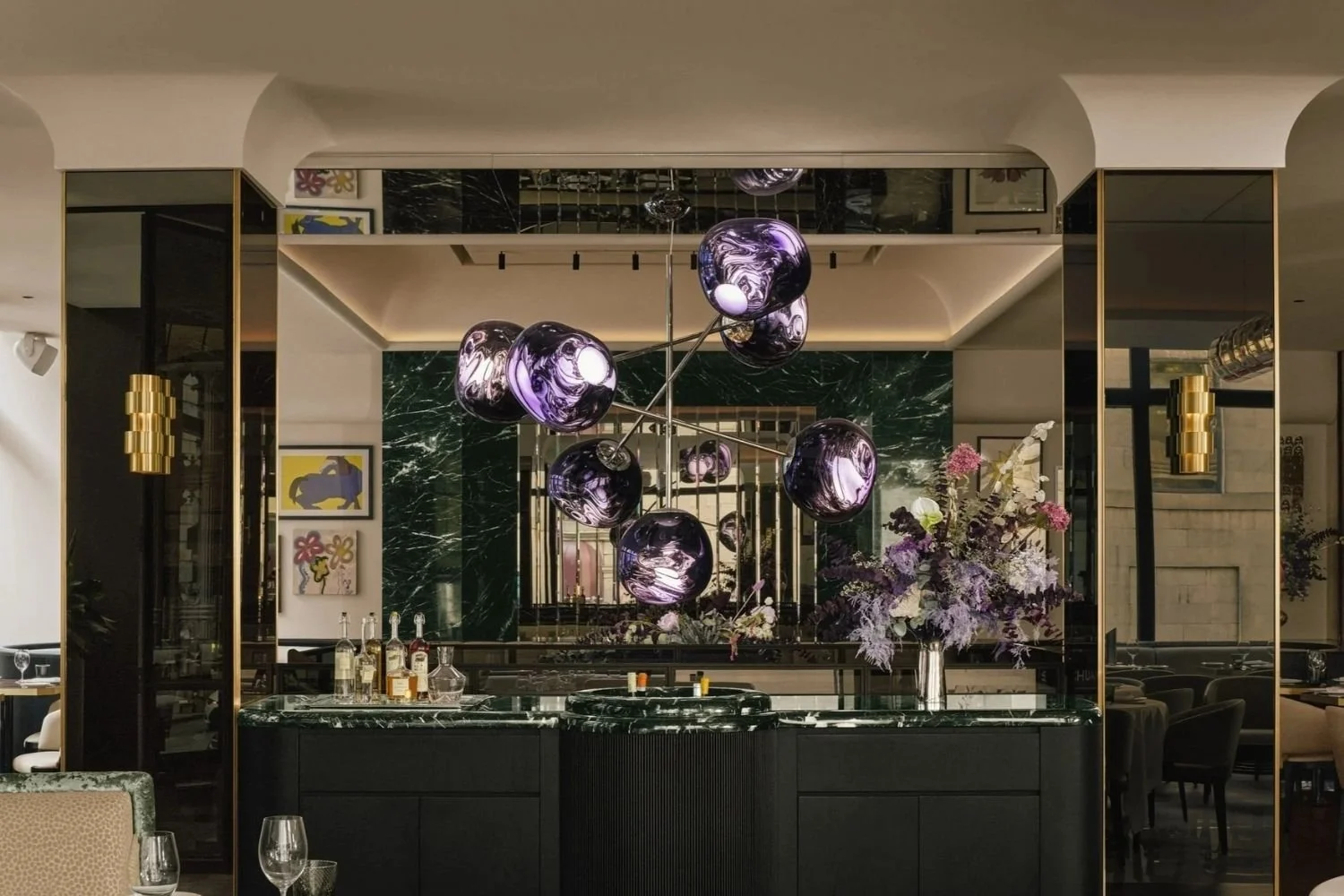
Bistro. Brasserie. Restaurant. They are not interchangeable. Each one names a different promise: a different pace, a different kind of hunger satisfied.
Most people walk into dinner without thinking much about the word above the door. That word, though, is doing a quiet amount of work. It describes the room before you've seen it, the menu before you've read it, the service before anyone has looked your way.
The bistro vs brasserie vs restaurant distinction is not merely semantic. It is architectural, culinary, and deeply cultural. Understanding it changes how you read a reservation, what you wear, how long you expect to stay.
At the serious end of the dining spectrum, where kitchens carry points of view and sommeliers know the vintage by memory, it matters even more.
What "Restaurant" Means in France and Beyond
The word restaurant arrived in 18th-century Paris, attached originally to a restorative bouillon sold from a single pot. It became the name for the establishment around the pot, and then the name for any room where food was served formally, with a menu, in exchange for payment. Everywhere else borrowed it.
In France, however, restaurant as a category designation has stayed specific. It implies a kitchen operating within a clear culinary framework, service structured around the progression of courses, and a deliberate relationship between what is made and who is eating it. The word carries a commitment that café or snack bar does not.
Beyond France, restaurant became so broad it is now essentially meaningless as a descriptor; it covers everything. Which is precisely why the older, more specific terms survived. They tell you what kind of restaurant. They tell you what you are walking into.
What Is a Bistro
The bistro, in its original form, was a neighbourhood institution. Small, personal, built around a handful of dishes prepared daily from whatever the market offered. The room was close. Tables were close. The proprietor often cooked and served. There was no performance to it. Eating well was simply assumed.
The bistro meaning in France carries that neighbourhood intimacy as its defining quality. Not the menu, not the price point; the scale of it. A bistro is a room that knows you, or quickly feels like one that does.
Size, Menu Style and Atmosphere
Bistros are small by design, and that constraint shapes everything about them.
The menu is short because the kitchen is small and the team is lean.
Dishes are few because doing a few things with real precision is the ethos.
The room is intimate because that is the only atmosphere a bistro can sustain without becoming something else.
Décor tends toward the unfussy: tiled floors, paper tablecloths, handwritten daily specials on a chalkboard.
The warmth is not engineered. It arrives through proximity and repetition — the same seats, the same specials rotating with the seasons, the same server who has probably been there for years.
A bistro does not try to impress. That restraint is its sophistication.
Bistro Menu Basics vs Brasserie Menu
In the brasserie menu vs bistro menu comparison, scope is the most immediate difference. A bistro menu is edited.
Four starters
Five mains
Two or three desserts.
The kitchen has committed to these dishes, which means every one of them has been considered. Classic preparations: braised meats, composed salads, simply finished fish, done with the conviction that comes from repetition.
A brasserie menu stretches. It covers more ground, serves longer hours, and accommodates a wider range of what someone might want at any hour of the day. The brasserie is built for range. The bistro is built for depth.
What Is a Brasserie Restaurant
The brasserie meaning traces back to the French word for brewery; these spaces began as beer halls attached to Alsatian breweries, feeding workers alongside their drinks. What they became is something more refined, though they kept the volume, the energy, and the democratic quality of their origins.
What is a brasserie restaurant in contemporary terms: a large, animated dining room with polished service, a menu built to accommodate all-day appetites, and an atmosphere that is professional without being stiff. Grand mirrors, brass railings, white tablecloths, banquette seating that runs the full length of the room. The visual language is deliberate and established.
Menu Range and Service Hours
The brasserie's most practical distinction is availability. Where a bistro serves defined lunch and dinner services with the kitchen closed between them, a brasserie typically operates continuously.
Midday, mid-afternoon, late evening — the kitchen is open.
The menu is long enough to satisfy someone arriving at 3pm wanting only oysters and a glass of Muscadet, and thorough enough for a full table ordering across every course.
Seafood towers. Choucroute garnie. Steak frites, entrecôte, sole meunière.
The classics are present and reliable.
Daily specials exist but play a supporting role to a menu that changes slowly and maintains its commitments across the year.
Brasserie Atmosphere vs Bistro
The brasserie atmosphere vs bistro difference is most felt in sound and space. A brasserie is built for a full room:
The ceiling is high
The floor is hard
The noise is part of the experience.
Business lunches and anniversary dinners and solo diners at the zinc bar all occupy the same room without tension.
The energy is ambient and convivial.
A bistro is quieter, closer, more particular. Conversation carries. You are aware of other tables. That awareness is texture. The bistro creates a social intimacy that the brasserie, by design, cannot replicate.
How Bistro, Brasserie and Restaurant Compare
Setting the three formats side by side makes their distinctions concrete. The bistro vs brasserie vs restaurant question is ultimately a question about what kind of evening you want, how much ceremony you are prepared for, and what the kitchen's intentions are toward you.
| Bistro | Brasserie | Restaurant | |
|---|---|---|---|
| Scale | Small. Intimate. Rarely more than 30–40 covers. | Large. Built for volume and varied demand. | Variable. Often curated for a specific experience. |
| Menu | Short. Focused. Seasonal and traditional. | Broad. All-day. French classics sustained across service. | Composed. Intentional. Often tasting menu or chef-driven format. |
| Hours | Defined service. Kitchen closes between meals. | Continuous. Available from midday through late evening. | Structured seatings. Reservation typically required. |
| Service | Casual. Personal. Unhurried. | Professional. Efficient. Welcoming without ceremony. | Attentive. Precise. Deeply informed. |
| Mood | Neighbourhood warmth. Familiar. | Animated. Grand. Convivial. | Refined. Unhurried. Every detail considered. |
The bistro vs brasserie difference is one of scale and availability. The distance between either of those and a restaurant operating at the elevated end of the spectrum is something else; it is the distance between eating well and being cooked for, with intention, over the course of an entire evening.
Casual vs Fine Dining Restaurant — Where These Types Fit
The casual vs fine dining restaurant distinction about the depth of attention, on both sides of the pass.
Casual dining accommodates you. The meal moves at your tempo. The menu offers options without asking you to engage with it. You eat well, you pay, you leave with no particular feeling of obligation toward the experience. A bistro lives here, largely. A brasserie occupies a relaxed middle, where professionalism is present but not foregrounded.
Fine dining asks something of you. It asks that you arrive with your full attention, that you allow the meal to set its own pace, that you trust the kitchen to know more than you do about what will be good tonight. In return, it gives you a meal that does not feel like consumption. It feels like time spent inside something someone cared about.
There is a particular kind of restaurant that has become the most interesting space in contemporary dining, one that holds the discipline and intention of fine dining without the rigidity that made the format feel inaccessible. Refined without being formal. Elevated without requiring a script. The food is technically sophisticated, the service deeply knowledgeable, the room beautiful, but none of it makes you feel like a visitor in someone else's world.
Dorsia is that kind of room. Settled into a historic building in Old Montreal, the kitchen is led by Chef Miles Pundsack-Poe — whose training under a Michelin-starred chef surfaces in every decision about how a dish is built, but whose vision is entirely his own. The cuisine is contemporary, shaped by French and Italian sensibility, grounded in Quebec produce.
French Dining Terms Explained
The vocabulary of a French dining room is part of the experience, not a barrier to it. These terms appear on menus and in conversation; knowing them removes the last friction from an evening that should feel entirely effortless.
| Term | Meaning |
|---|---|
| Carte blanche | The chef determines every course. You place your appetite entirely in the kitchen's hands. At Dorsia, this is an eight-course seasonal progression. |
| À la carte | Ordering individual dishes at separate prices rather than from a fixed menu. |
| Plat du jour | The daily preparation, rooted in whatever is best from the market that morning. |
| Mise en place | The invisible preparation that precedes service. Every element measured, cut, arranged, ready. |
| Amuse-bouche | A single, complimentary bite from the kitchen. Not a course but introduction. |
| Accord mets-vins | Wine pairing. At Dorsia, offered across five or seven wines with the Carte Blanche menu. |
Bistro and Brasserie Etiquette Basics
French bistro brasserie etiquette is built around one principle: let the room be what it is. Each format has a social contract, and knowing it makes the experience more fluid for everyone.
At a Bistro
Dress casually but thoughtfully. Smart-casual reads correctly in almost every bistro. Expect to linger; the format is not designed for quick turns. Engaging with the server about the menu is welcome; the staff tends to know every dish well and often has genuine opinions about what to order. Do not rush the bill. In France especially, presenting the cheque uninvited is considered poor form. The table is yours for the evening.
At a Brasserie
The range of people in a brasserie means the dress code is accommodating. Business casual to polished casual both feel appropriate. Service will be efficient; the floor handles volume gracefully, but you will not feel rushed. Order as much or as little as you want; brasseries are built for both.
At an Elevated Restaurant
This is where the fine dining vs brasserie difference becomes most tangible in practice. Arrive on time. The kitchen sequences its service, and late arrivals disrupt more than just your own experience. Dress in a way that reflects the occasion: refined and considered.
At Dorsia
The dress code is intentional. Sportswear, shorts, sweatpants, and sandals are not permitted. This is not exclusion but the preservation of an atmosphere that every guest in the room has a right to enjoy.
For tasting menus, block the full evening. An eight-course progression at Carte Blanche pace is not a dinner with a hard exit. It is the evening itself.
Put the phone away more than you think you need to. The food on that plate was prepared by hands that trained under a Michelin-starred kitchen. It deserves your full presence.
The Name Above the Door
A bistro is a neighbourhood, held inside four walls. A brasserie is a city, held inside one room. A restaurant, at its most considered, with a chef who trained under the weight of a Michelin star, with a menu that moves from raw to roasted to rested over the course of an evening, is something rarer. It is a point of view, made edible.
Dorsia is Michelin-selected. The kitchen is led by a chef trained in a Michelin-starred restaurant. The room, inside a historic building in Old Montreal, was designed for evenings that stay with you.
Reservations are open. The rest begins when you sit down.