
Classic French Dishes That Define the Way We Eat Today
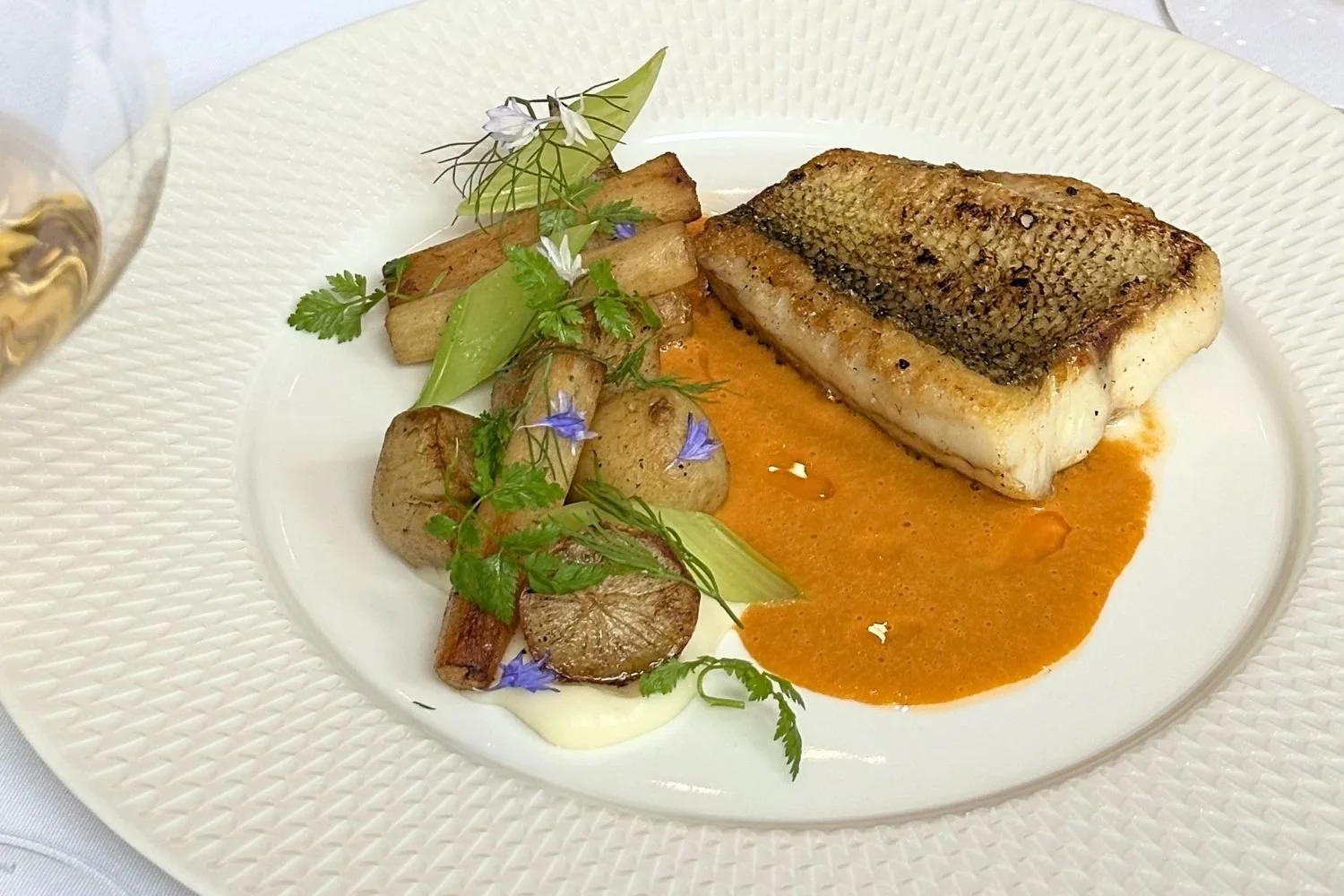
French cuisine invented the blueprint. Every other culinary tradition borrows from it.
That might sound like a sweeping claim, but ask any serious chef and they will tell you the same thing. The brigade system, the mother sauces, the precise mise en place. French cooking codified the way the Western world understands fine dining.
And yet, when you sit down at a French restaurant for the first time, the menu can feel like a test you did not study for.
What Qualifies as a Classic French Dish
The term gets used loosely. Plenty of restaurants borrow French technique without serving traditional French food. So what actually makes a dish a classic French dish?
A few consistent qualities define the category:
Technique over complexity. French cooking is built on precision. Sauces are reduced for hours. Proteins are rested properly. Nothing is rushed.
Regional identity. Dishes like coq au vin, bouillabaisse, and cassoulet are tied to specific regions of France. They reflect local produce, local wine, local weather.
Restraint in seasoning. Classic French cuisine trusts the ingredient. Salt, fat, acid, and heat are applied with intention, not abundance.
Course structure. French dining is designed to unfold slowly, with each course building on the last.
Modern interpretations of classic French food preserve the technique while updating the format. Contemporary chefs might substitute local ingredients for imported ones, simplify plating, or fold global influences into the sauce. The result is still recognisably French. Just less rigid.
Famous Classic French Dishes You Will See on Menus
These are the dishes that defined French dining, the ones that still appear on menus from Paris to Montreal. Knowing what they are changes how you experience them.
French Onion Soup
Soupe a l'oignon is one of the most recognisable classic French dishes in the world. Caramelised onions, slow-cooked in beef broth, topped with a thick crouton and a blanket of melted Gruyere that forms a crust at the edges of the bowl. The sweetness of the onion is the whole point. It develops over low heat, for a long time. Nothing about it is quick.
Escargots
Land snails cooked in garlic and herb butter, served in the shell or in ceramic dishes with wells designed to hold the liquid. The butter is the dish. Rich, intensely fragrant, heavy with parsley and garlic. The snail itself is mild, almost earthy, more about texture than flavour.
Steak Frites
The French steakhouse standard. A well-sourced cut, cooked to temperature with precision, served alongside crispy hand-cut fries. The quality of the fat and the char on the surface are everything. A Bordelaise or peppercorn sauce on the side is tradition. The simplicity is the whole statement.
Duck Confit
Duck leg slow-cooked in its own fat until the meat collapses off the bone. Confit is a preservation technique that became a delicacy. The skin crisps on a hot pan before service. Inside, the meat is silky and deeply savoury. A fat-cooked protein with no shortcuts.
Beef Bourguignon
Braised beef from Burgundy, cooked low and slow in red wine with lardons, pearl onions, and mushrooms. The sauce is thickened and glossy. The beef dissolves rather than chews. Beef bourguignon represents everything that traditional French cooking does well: patience, flavour concentration, and the total transformation of humble ingredients.
Ratatouille
A Provencal vegetable dish made from tomato, courgette, aubergine, and peppers, cooked down into a fragrant, concentrated stew. The vegetables lose their individual edges and become something unified. It is warm, lightly acidic, herbaceous with thyme and basil.
Coq au Vin
Chicken braised in red wine with lardons, garlic, and mushrooms. The wine does most of the work, breaking down the proteins and building a sauce with real depth. Coq au vin belongs to the same braising tradition as beef bourguignon but arrives lighter on the palate. It is warming without being heavy.
Creme Brulee
Vanilla-infused custard, set cold, with a thin layer of caramelised sugar torched at the table or immediately before service. The crack of a spoon through the caramel is part of the experience. Underneath, the custard should tremble when moved, just barely set, cold at the centre.
How a Classic French Dinner Is Structured
French dining follows a rhythm. The courses are not just an order of operations, they are a pacing strategy. Each one prepares your palate for what comes next.
Starters
The opening course sets the register of the meal. In classic French cuisine, starters are designed to be precise and light, waking the palate without overwhelming it. Tartare, carpaccio, oysters, a terrine, a composed salad. These dishes signal what kind of kitchen you are in.
Main Dishes
The main course is where French cooking makes its most direct statement. Proteins are central: beef, duck, fish, lamb. The sauce is what separates the dishes. A Bordelaise, a Perigueux, a beurre blanc. These are classical constructions that take technique to execute correctly.
Sides are ordered separately in formal French dining. Potatoes in various forms, roasted vegetables, and grain-based dishes accompany the main but do not compete with it. The plate stays clean and intentional.
Cheese and Dessert
Cheese before dessert is the French convention, and it is not arbitrary. A cheese course cleanses the palate and extends the meal. It is an act of hospitality, an invitation to slow down. Local and regional varieties, served with honey or fruit, bridge the savoury and the sweet.
What to Order at a French Restaurant for Your First Visit
The pressure of a French menu is real, especially at the fine dining level. Here is a practical framework:
Start with something raw or cured. Tartare, carpaccio, or oysters reveal the kitchen's sourcing standards and precision immediately.
Order at least one classic preparation. Duck confit, a proper steak, or anything braised. These dishes show you what the kitchen does with classical technique.
Ask your server about the signature dish. Every serious kitchen has one. The answer tells you what they are proud of.
Do not skip the cheese course. Especially in Quebec, where the local cheese tradition is genuinely compelling. A selection of two or three before dessert is not indulgent. It is the correct way to eat.
Let the sommelier suggest a pairing. Even one glass chosen for the main course changes the meal significantly.
The goal of a first visit is not to order everything correctly. It is to understand what the kitchen cares about and order into that.
French Dishes and Wine Pairing Basics
French cuisine and wine pairing are not separable. The regional logic of French cooking is built around what grows nearby. Burgundy produces pinot noir and beef bourguignon for the same reason. Bordeaux produces cabernet blends alongside its long-braised meats. The wine and the food evolved together.
A few pairings worth knowing:
Duck confit and Burgundy pinot noir. The earthiness of the wine mirrors the richness of the fat-cooked meat.
Oysters and Chablis or Muscadet. Saline, mineral whites that echo the brine of the shell.
Beef preparations and Bordeaux or Rhone reds. Structured tannins cut through fat and amplify the Perigueux or Bordelaise sauce.
Creme brulee and Sauternes. The classic sweet wine pairing for rich custard desserts.
Aged cheeses and late-harvest whites or natural reds. The contrast of sweetness and salt is the point.
French dishes with wine pairing work best when you approach it as a conversation between the two elements, not a rule to follow. If the wine makes the food taste better, the pairing is working.
Classic French Dishes as a Date Night or Fine Dining Experience
French dining was built for this. The pacing, the ceremony, the accumulated pleasure of a meal that takes two hours and leaves you wanting to stay longer. A French tasting menu is an argument for slowing down.
For a date night, a few considerations:
Book the tasting menu if it is available. The kitchen controls the pace and you can be fully present in the conversation.
Order wine by the glass across courses rather than a full bottle early. It keeps the evening evolving.
Arrive slightly early. Walking into a room before it fills sets a different tone than rushing in.
Ask questions. A kitchen that welcomes curiosity about the menu is one you want to be in.
French fine dining dishes are designed to be experienced over time. The best versions of these meals feel like being let in on something, a rhythm of hospitality that does not rush you toward the door.
Where to Find Classic French Dishes in Old Montreal
Old Montreal is a natural setting for French dining. The architecture, the streets, the European register of the neighbourhood all make the format feel native rather than imported.
Dorsia, at 396 Notre-Dame Street West, sits inside a historic building in Old Montreal with a menu that draws clearly from the French tradition while moving confidently beyond it. Chef Miles Pundsack-Poe cooks contemporary cuisine with French and Italian influences, precise and generous, built around Quebec products. The sensibility here is refinement without rigidity.
The menu reflects the kind of modern French cuisine Montreal does well. It is not a replica of a Parisian brasserie. It is something more specific: a kitchen that understands classic French dinner dishes at a technical level and chooses where to honour them and where to push.
A few things on the menu that connect directly to the French canon:
Steak Tartare with cured duck yolk and sunflower. A classical French preparation handled with precision and Quebec-rooted detail.
Duck Crown a l'Orange with aged citrus peel and smoked tea jus. The French tradition of duck in citrus sauce, rebuilt with contemporary restraint.
Wagyu Striploin with Perigueux Sauce. One of the great classic French sauces, made from Madeira and truffle, paired with premium wagyu.
Cote de Boeuf with Bordelaise or Peppercorn Sauce. Two canonical French sauce traditions served alongside one of the most impressive cuts on the menu.
Chicken Liver Mousse Mille-Feuille with cranberry jam, hazelnut, and maple parsnip cream. A French bistro classic reworked with Quebec producers in mind.
The room is elegant and unhurried. The dress code is refined. Reservations are recommended.
Dining Well Takes Knowing What You Are Eating
Classic French dishes earn their reputation through accumulation.
Decades of refinement, codified technique, regional ingredients used with absolute intention. Understanding them before you sit down changes the experience. You are no longer decoding. You are receiving.
The next step is straightforward. Read the menu before you arrive. Understand what a Perigueux sauce means, what confit requires, what a Carte Blanche meal actually involves. Then book the table and let the kitchen do the rest.