
A French Wine Guide for Drinking Like You Know the Land
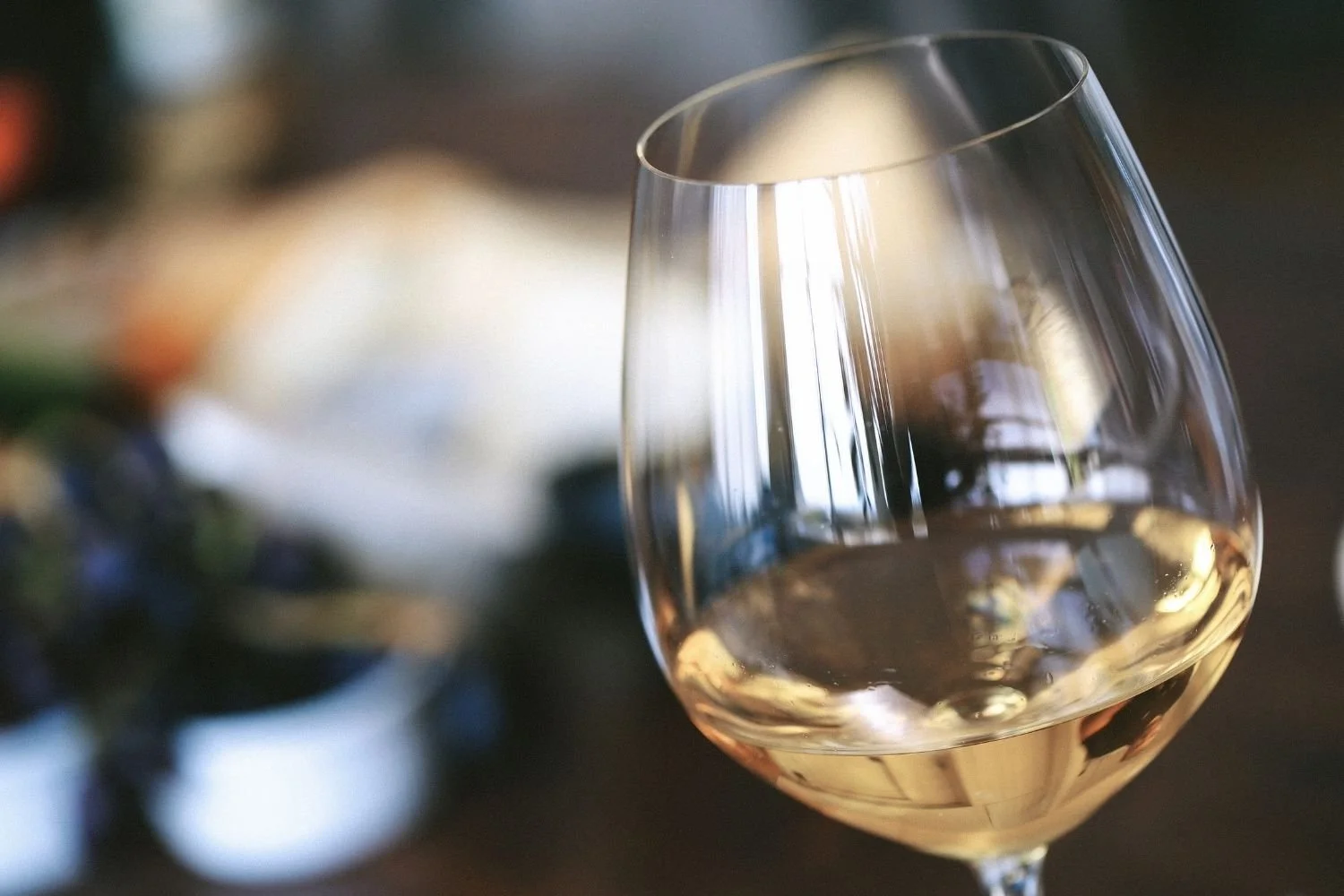
French wine is a language of places.
You don’t just order a grape, you choose a village, a slope, or a specific plot of ancient soil.
For many, opening a french wine guide feels like stepping into a beautiful, complicated maze of geography. It is a world where heritage matters more than branding. Understanding french wine basics is the key to moving through a dinner with effortless confidence. It turns a confusing list of regions into a map of flavors tailored to your mood.
This is about more than just a drink. It is an invitation to slow down and experience the soul of a landscape in a single glass.
French Wine Basics: How French Wine Is Organized
Understanding french wine basics starts with the label. Most bottles in North America tell you the grape. You buy a Merlot or a Chardonnay.
France does things differently.
They use a system called Appellation d’Origine Protégée. This is a promise of quality. It tells you exactly where the wine comes from. The French believe the land gives the wine its soul. This is why a wine from a hill in Burgundy tastes different than a wine from a valley in the Loire.
Labels focus on the region or village.
The system protects the traditional ways of making wine.
Small details like the year matter for the weather.
Classification levels tell you if the vineyard is a "cru" or elite spot.
When you look at a menu, think of a map. You are looking for a destination. The french wine guide helps you navigate these borders. It turns a list of names into a list of flavors. You want to feel confident when the server arrives. You want to know why a certain bottle costs more than another. It usually comes down to the prestige of the dirt.
French Wine Regions You Should Know
The world of French wine is vast. It covers mountains and coasts. Each area has a personality. Some are bold and dark. Others are light and crisp. Knowing a few key spots makes you look like an expert. It makes the dinner feel more intimate.
Bordeaux
Bordeaux is the king of the french red wine guide. It sits in the southwest. The Atlantic Ocean keeps the air damp and cool. These wines are usually blends. They mix Cabernet Sauvignon with Merlot. Sometimes they add Cabernet Franc or Petit Verdot.
Left Bank wines are powerful and firm.
Right Bank wines are softer and more velvety.
Bordeaux pairs perfectly with red meat.
These wines can age for decades in a cellar.
A glass of Bordeaux feels heavy in a good way. It has notes of cedar and dark fruit. It matches the intensity of a Côte de Boeuf. The tannins grip your tongue. It is a classic choice for a long dinner.
Burgundy
Burgundy is the heart of the french white wine guide and the red guide too. This region is obsessed with two grapes. They grow Pinot Noir for red. They grow Chardonnay for white. The land here is broken into tiny plots. Two vineyards next to each other can taste completely different.
Red Burgundy is delicate and earthy.
White Burgundy is elegant and often buttery.
The wines are famous for their "terroir" or sense of place.
Cote d’Or is the most famous strip of land here.
This is the region for those who like subtlety. It does not hit you over the head. It whispers. You might taste cherries or wet stones. It is the ultimate sommelier wine recommendations pick for someone who wants complexity.
Champagne
A champagne wine guide is about more than just bubbles. It is about a specific cold region in the north. Only sparkling wine from this spot can carry the name. It is made from Chardonnay, Pinot Noir, and Pinot Meunier.
Non-vintage bottles are the house style.
Vintage bottles come from a single great year.
The bubbles come from a second fermentation in the bottle.
Champagne is high in acid. It cuts through fat. It wakes up your palate. Try it with something salty like caviar or oysters. It turns a Tuesday into a celebration.
Loire Valley
The loire valley wines are fresh and lively. The river keeps the grapes cool. This is the home of Sauvignon Blanc. You will see names like Sancerre or Pouilly-Fumé.
The wines are bright and zesty.
They often smell like citrus or cut grass.
Chenin Blanc is another star of this region.
This region offers some of the best values in a french wine guide. The wines are clean. They feel like a spring morning. They are easy to drink and very social.
Rhône Valley
The Rhône is warm and sunny. The wines are spicy and rich. In the north, they use Syrah. In the south, they blend many grapes together. Grenache is the leader here.
Northern Rhône is smoky and peppery.
Southern Rhône is fruity and warm.
Châteauneuf-du-Pape is the most famous name.
These wines handle bold flavors and spices well.
Provence and Rosé Wines
Provence is the land of lavender and sun. It is the home of dry rosé. These wines are pale pink. They taste like strawberries and minerals. They are not sweet. They are refreshing. They work with salads or grilled fish. A french wine regions guide isn't complete without this touch of summer.
French Red Wine vs French White Wine
Choosing between red and white is about more than the color. It is about the structure. A french red wine guide focuses on tannins. These come from the skins of the grapes. They give the wine a dry feeling. A french white wine guide focuses on acidity and fruit.
Red wines usually have more body.
White wines are served chilled.
Reds often go with meat.
Whites often go with fish or cream.
You can drink what you like. There are no strict rules. Some whites are very heavy. Some reds are very light. A light Pinot Noir can work with salmon. A heavy Chardonnay can work with pork. The french wine guide is a tool, not a cage.
Burgundy vs Bordeaux Wine: What Is the Difference
This is the big debate. It is the most common question in a french wine regions guide. The difference is simple once you know it.
Bordeaux is about the blend. It is about the art of mixing. The wines are structural. They feel like an architect built them. They have layers of tannins. They are often dark and intense.
Burgundy is about the grape. It is about the purity of Pinot Noir or Chardonnay. These wines are silky. They feel like a poem. They are light in color but deep in flavor.
When comparing burgundy vs bordeaux wine, think about your mood. Do you want something bold and commanding? Pick Bordeaux. Do you want something pretty and mysterious? Pick Burgundy.
How to Order French Wine at a Restaurant
Ordering can feel like a performance. You don't need to be an expert. You just need to know how to order french wine with confidence.
Look at the region first.
Tell the server what you usually like.
Give them a price range.
Ask about the producer.
A good french wine guide tells you to trust your palate. If you like something light and crisp, mention the Loire. If you want something powerful, point toward the Rhône or Bordeaux. Don't be afraid to mispronounce names. The staff is there to help, not to judge.
French Wine Pairing Guide With Classic French Dishes
The magic happens when the glass meets the fork. A french wine pairing guide is about balance. You don't want the wine to hide the food. You don't want the food to kill the wine.
Oysters: Pair with a crisp Muscadet or Champagne. The salt meets the acid.
Steak Tartare: Try a light red like a Beaujolais. It keeps the dish fresh.
Duck à l’Orange: Go with a rich white from Alsace or a Pinot Noir. The fruit matches the sauce.
Seafood: A dry white from the Loire or Burgundy is classic.
Beef: Bordeaux or a Northern Rhône Syrah provides the muscle.
Using a french wine pairing guide makes the meal feel complete. It creates a harmony in your mouth. At Dorsia, the menu is designed for this. The food has French and Italian influences. It uses Quebec products. The wine list bridges these worlds.
How to Choose Wine With a Sommelier
The sommelier is your best friend. They spend their lives studying the french wine guide. They know the hidden gems on the list. How to choose wine with a sommelier is about communication.
Be honest about your budget.
Describe flavors you enjoy.
Mention if you want something "funky" or "classic."
Let them surprise you.
A sommelier loves to talk about wine. They can find a bottle that fits your meal perfectly. They might suggest a wine from a smaller region you haven't tried. This is how you discover your new favorite bottle.
Wine Pairing Dinner in Old Montreal
There is something special about an old montreal wine pairing dinner. The stone walls of the historic buildings hold a lot of secrets. At Dorsia, the experience is about "refinement without rigidity." You are in an elegant space at 396 Notre-Dame Street O. The dress code is sophisticated. You wear your best outfit. You feel the history of the neighborhood.
The Chef’s Carte Blanche menu is an 8-course journey. You can opt for a wine pairing at a french restaurant like this to remove the guesswork.
The 5-wine pairing offers a curated taste.
The 7-wine pairing is a deep dive into the cellar.
Each glass is chosen to match Miles Pundsack-Poe’s precise cooking.
It is the easiest way to experience a full french wine guide.
You sit. You talk. You let the experts guide you. The wine flows. The food arrives in beautiful sequences. This is the heart of hospitality.
Know What You Need to Sip First?
Wine is meant to be shared. It is a way to slow down time. A french wine guide helps you feel at home in a luxury setting. It takes the mystery out of the bottle. You learn to recognize the labels. You start to understand why the Loire is fresh and Bordeaux is deep.
When you visit Dorsia, you are stepping into a vision of elegance. The cuisine is characterful. The service is warm. You can explore a selection of local cheeses with a final glass of red. You can end with a Limoncello Tiramisu.
The most important part of wine is the memory you make while drinking it.
If you are ready for a night in Old Montreal, the table is waiting. You can find the full menu and wine list on the website. Booking a spot is the first step toward a very special moment. The historic building at 396 Notre-Dame Street O is ready to welcome you.
Put on something refined. Bring your curiosity. Let the wine do the rest.